


Two Specialists, One Coordinated Plan
Perimenopause and menopause rarely show up as a single, tidy symptom — hormonal shifts, sleep, mood and pelvic health changes often arrive together, and most clinics can only address one piece at a time. At Zenith, Dr. Jessie Short, ND, MSCP and Rebecca Libby work together on exactly this overlap, combining naturopathic menopause care with specialized pelvic floor physiotherapy under one roof in Mahone Bay.
Whether you're noticing the first changes of perimenopause, navigating menopause itself, or dealing with pelvic health changes at any stage, our team builds a plan around what's actually going on for you — not a one-size-fits-all protocol.
This isn't just convenient — it reflects how menopause care is meant to work. Pelvic floor physiotherapy is a recognized treatment for the pelvic and urinary changes that come with menopause, and it's part of the standard of care Dr. Jessie's MSCP training covers. Having both specialists in one clinic means that connection actually happens, instead of being left to you to coordinate.
Signs You May Benefit From Our Women's Health Services
- Hot flashes or night sweats
- Sleep that's harder to fall into or stay in
- Brain fog, trouble concentrating or finding words
- New or worsening anxiety, irritability or mood changes
- Vaginal dryness or discomfort
- Bladder leaks, urgency or frequency
- Pelvic pain, heaviness or pressure
- Pain during intimacy
- New joint aches or stiffness
- Irregular or unpredictable periods
- Lower libido
You don't need every symptom on this list, or a formal diagnosis, to book — many women come in simply because something feels different and they want support figuring out what's going on.
Our Women's Health Team
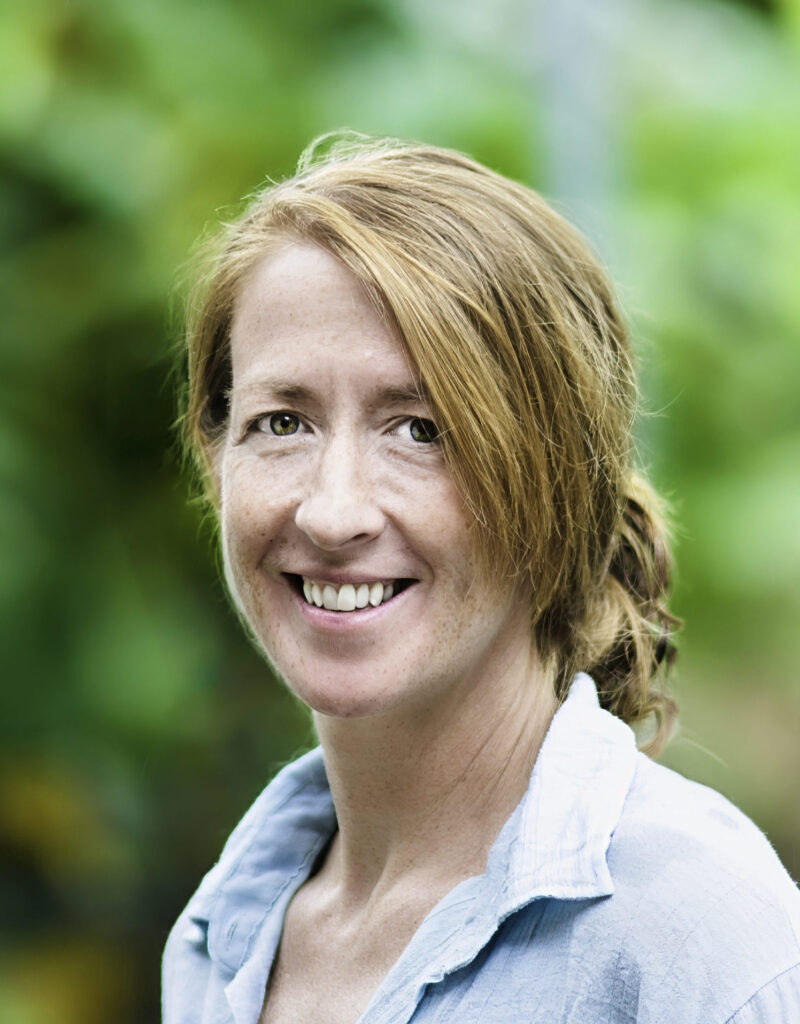
Dr Jessie Short
Dr. Jessie Short is a board-certified naturopathic doctor with a clinical focus on hormonal and menstrual health, and is a Menopause Society Certified Practitioner (MSCP) — a credential awarded by The Menopause Society to licensed healthcare professionals who pass its competency examination in menopause and midlife women's health. Her training covers hormone therapy and non-hormonal treatment options, cardiovascular and bone health, sleep, mood, sexual health and healthy aging, giving her a broad, evidence-based view of what's happening at this stage of life rather than a narrow focus on any single symptom.
“Women navigating perimenopause and menopause deserve care that is informed by current evidence, attentive to the whole picture, and nuanced enough to reflect the complexity of this stage of life.” — Dr. Jessie Short, ND, MSCP
Her individualized plans may include clinical nutrition, botanical medicine, targeted supplementation and lifestyle strategies, coordinated with any hormone therapy or other treatment you're already receiving.
Rebecca Libby
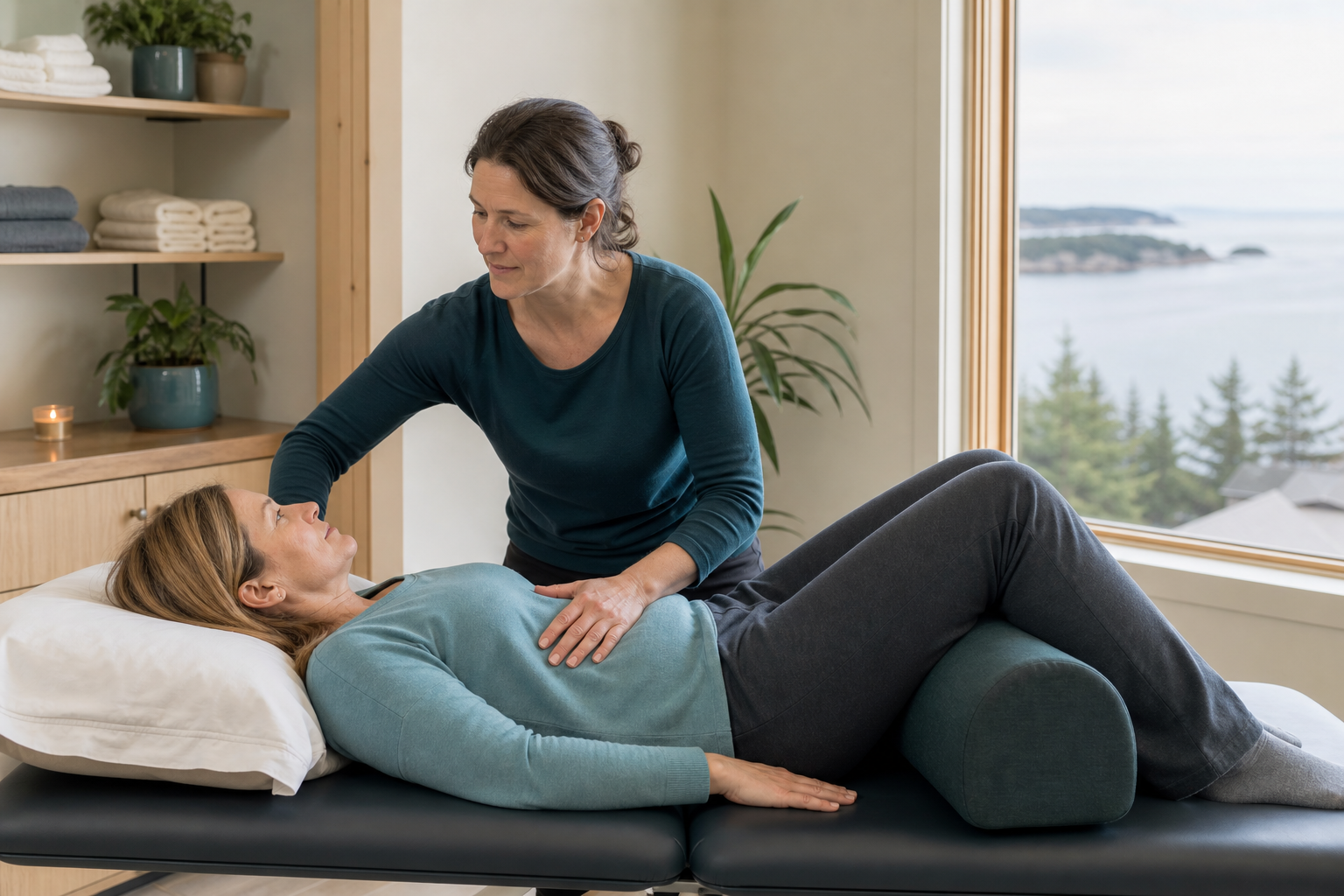
Many of the pelvic changes that show up during perimenopause and menopause — bladder leaks, pelvic pressure, pain during intimacy — respond well to pelvic floor physiotherapy, which works directly on the muscles, coordination and tissue changes involved. Rebecca Libby brings post-graduate training in pelvic floor rehabilitation to this work, along with a 2018 osteopathy thesis specifically evaluating the impact of manual therapy on pelvic floor function and diastasis recti in women — giving her a particularly deep, evidence-based grounding in this exact area.
Frequently Asked Questions
Perimenopause is the transition leading up to menopause, often starting years earlier, when hormone levels begin fluctuating and symptoms like irregular periods, hot flashes or mood changes can appear. Menopause itself is a single point in time — 12 months without a period — after which you're in postmenopause. Many of the symptoms people associate with “menopause” actually start during perimenopause.
Many perimenopause symptoms overlap with other conditions, which is exactly why a proper assessment matters rather than guessing. Dr. Jessie will take a full history and, where appropriate, coordinate testing or referrals to help clarify what's driving your symptoms.
Yes. Dr. Jessie's approach is designed to complement, not replace, other care you're receiving — she'll ask about any current medications or treatments so recommendations are safe and coordinated alongside them.
Sessions are tailored to your comfort and goals, and Rebecca will always explain what an assessment or treatment involves before starting. Pelvic floor physiotherapy can include external and internal assessment techniques depending on what you're working on — nothing happens without your understanding and consent first.
No referral is needed to book with either Dr. Jessie or Rebecca. Some insurance plans require a referral for reimbursement purposes, so it's worth checking your plan's requirements before your visit.
Most private health plans include coverage for both naturopathic care and physiotherapy, though coverage and direct-billing rules vary by provider. Please confirm the details with your insurer.
Yes. As part of her MSCP training, Dr. Jessie's approach covers hormone therapy and non-hormonal treatment options, cardiovascular and bone health, sleep, mood, sexual health and healthy aging — not just hot flashes and night sweats, which are often the most visible but far from the only changes worth addressing.
Women’s Health Articles
More ArticlesInsulin resistance in perimenopause: why your body may feel different—and what can help

Digestive support during summer travel for adults on Nova Scotia’s South Shore, with naturopathic guidance for bloating,…
Read ArticleAcupuncture for tension headaches and jaw clenching during busy summer travel and hosting season
Acupuncture for tension headaches and jaw tension may help South Shore adults manage summer travel, hosting stress,…
Read ArticleHydration and muscle cramps: naturopathic advice for staying active in warmer summer weather
Naturopathy offers practical advice for South Shore Nova Scotia adults managing hydration, muscle cramps, and summer…
Read Article