
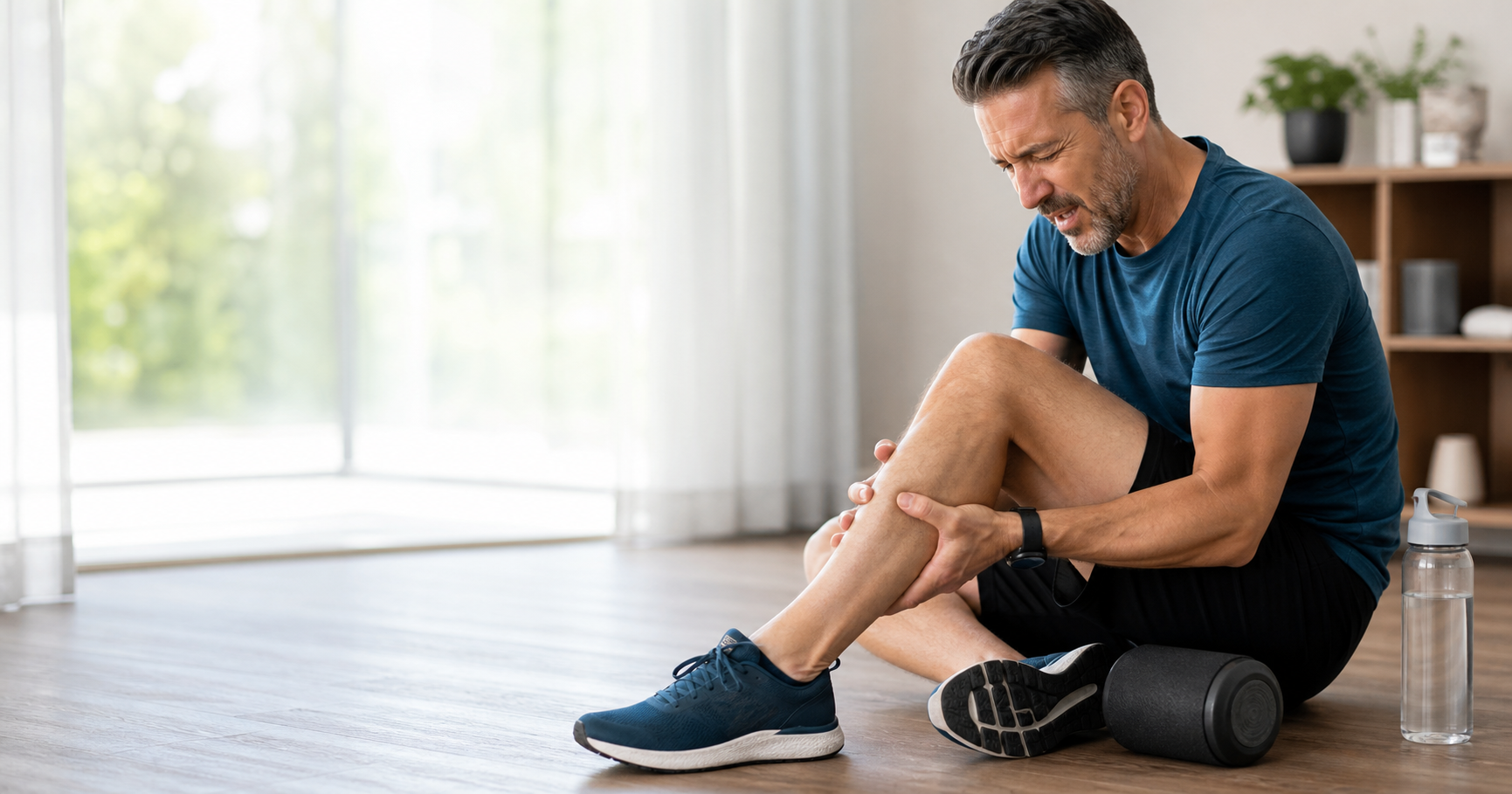
Hydration and muscle cramps: naturopathic advice for staying active in warmer summer weather
Hotter summer weather can make it harder to maintain energy levels and stay active. One common complaint is muscle cramping, often tied to fluid loss, sweat, and long stretches without proper recovery.
Muscle cramps are not always caused by dehydration alone, but low fluid intake can make them more likely. In warm weather, the body loses water and electrolytes through sweat, and that can affect how muscles contract and relax. Long activity sessions, heat exposure, and not eating regularly can all add to the strain.
If muscle cramping is a frequent or recurring issue for you, it is worth booking an assessment with a naturopathic doctor to identify what is contributing to the problem.
Why This Happens
Muscles need water, minerals, and steady blood flow to work well. A change in any of these may trigger muscle cramps.
Warm weather can also change habits. Many people drink less than they need because they do not feel thirsty right away, then try to “catch up” later. That can be a problem during long days outside, travel, or busier summer schedules.
Digestive upset, poor sleep, and some medications can also affect hydration status and muscle function. If symptoms keep returning, an appointment can help identify the underlying pattern and causes.
Common Causes
- Not drinking enough water during a hot day or after exercise
- Heavy sweating without rehydrating
- Electrolyte imbalance
- High sodium diets
- Long periods of activity without rest breaks
- Skipping meals or eating very lightly
- Alcohol intake, which can increase fluid loss
- Poor sleep or high stress, which can make muscles more reactive
- Working outdoors or doing repeated chores in the heat
- Recent changes in activity level, such as starting summer training too quickly
How Naturopathic Medicine Can Help
Naturopathic medicine focuses on finding the contributing causes, not just the symptom. A naturopathic assessment may look at fluid intake, diet, digestion, sleep, stress, exercise habits, and any health conditions or medications that could affect hydration or muscle function.
Advice may include practical changes to daily hydration, meal timing, mineral intake through food, and recovery habits after activity. Depending on the assessment, support may also include sleep strategies, stress management, and individualized nutrition planning.
For some people, herbs or supplements may be recommended, but only when they are appropriate and align with their lifestyle and goals. Treatment may also involve referral or coordination with another provider if needed.
When to Seek Professional Help
Consider booking if cramps happen often, if they are waking you at night, or if they keep returning after walks, work, or exercise. It is also sensible to get help if you are struggling to stay hydrated, feeling unusually fatigued, or noticing that symptoms are affecting sleep or daily tasks. Early advice can help prevent a minor issue from becoming harder to manage.
Frequently Asked Questions
Can dehydration really cause muscle cramps?
Yes, dehydration can contribute to cramping, but it is usually part of a bigger picture. Heat, mineral loss, fatigue, nutrition intake, and activity load can all play a role. A proper assessment can help sort out which factors matter most.
Is plain water enough?
Sometimes it is, especially for lighter activity. If you are sweating a lot or being active for longer periods, food and electrolyte intake may matter too. The right approach depends on the person, the weather, and how hard you are working.
Why do cramps seem worse at night?
Evening cramps can follow a day of activity, heat exposure, or not enough fluid and food intake. Sometimes tired muscles are more likely to spasm when you finally rest, due to involuntary nerve firing, muscle fatigue and poor circulation during rest. If this happens regularly or if cramping is severe and disturbing your sleep, an naturopathic assessment can help identify the root of the problem.
Conclusion
Muscle cramps are often a sign that hydration, recovery, or mineral balance needs more attention. A naturopathic approach can help you look at the full picture and make practical changes that fit your day-to-day life.
If your symptoms are affecting your daily routine, movement, sleep, work, or activity level, booking an appointment is a practical next step.